We use cookies to improve our site and your experience. By continuing to browse our site you accept our cookie policy
We use cookies to improve our site and your experience. By continuing to browse our site you accept our cookie policy
The classic test of speed and power
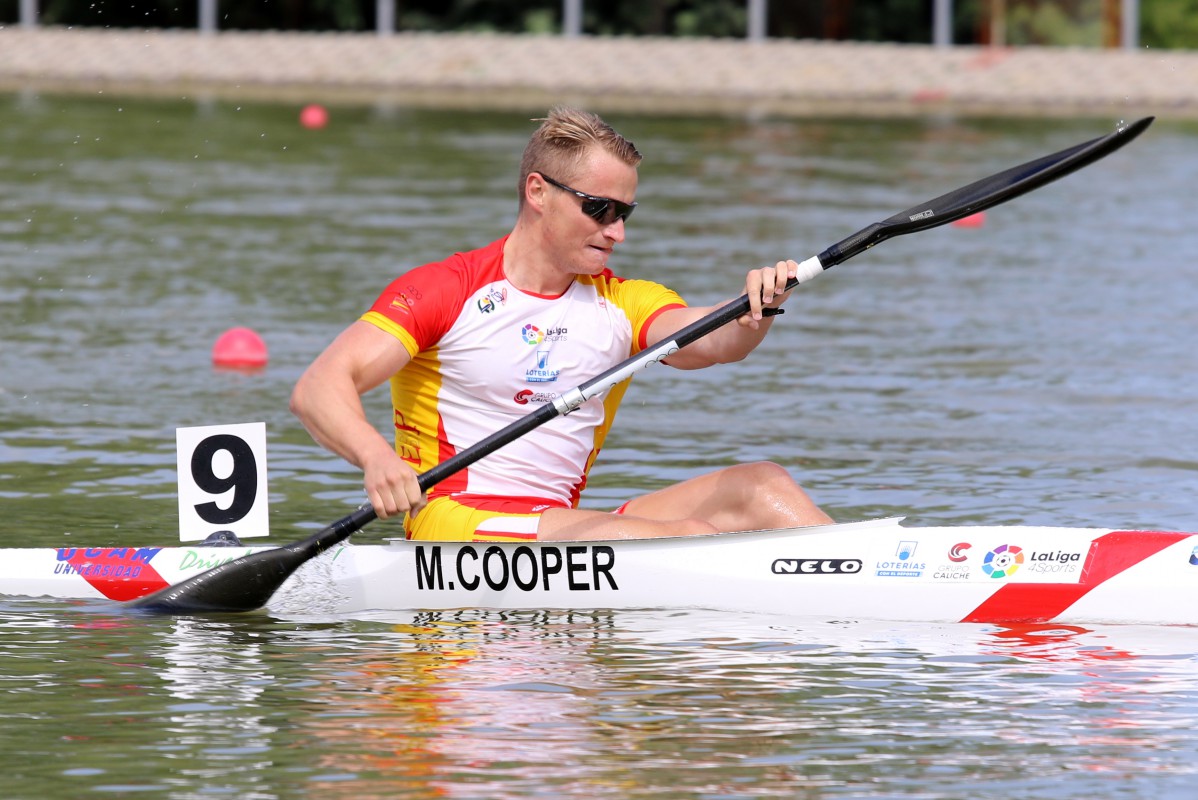
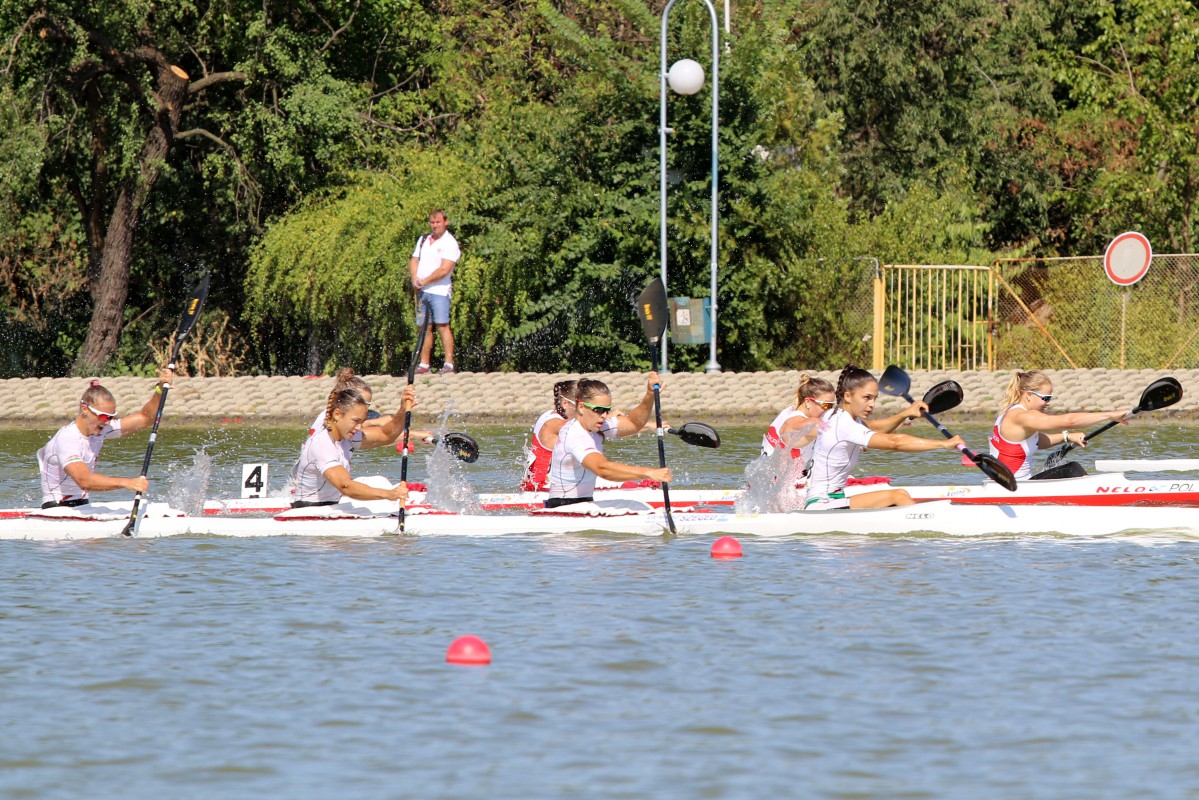
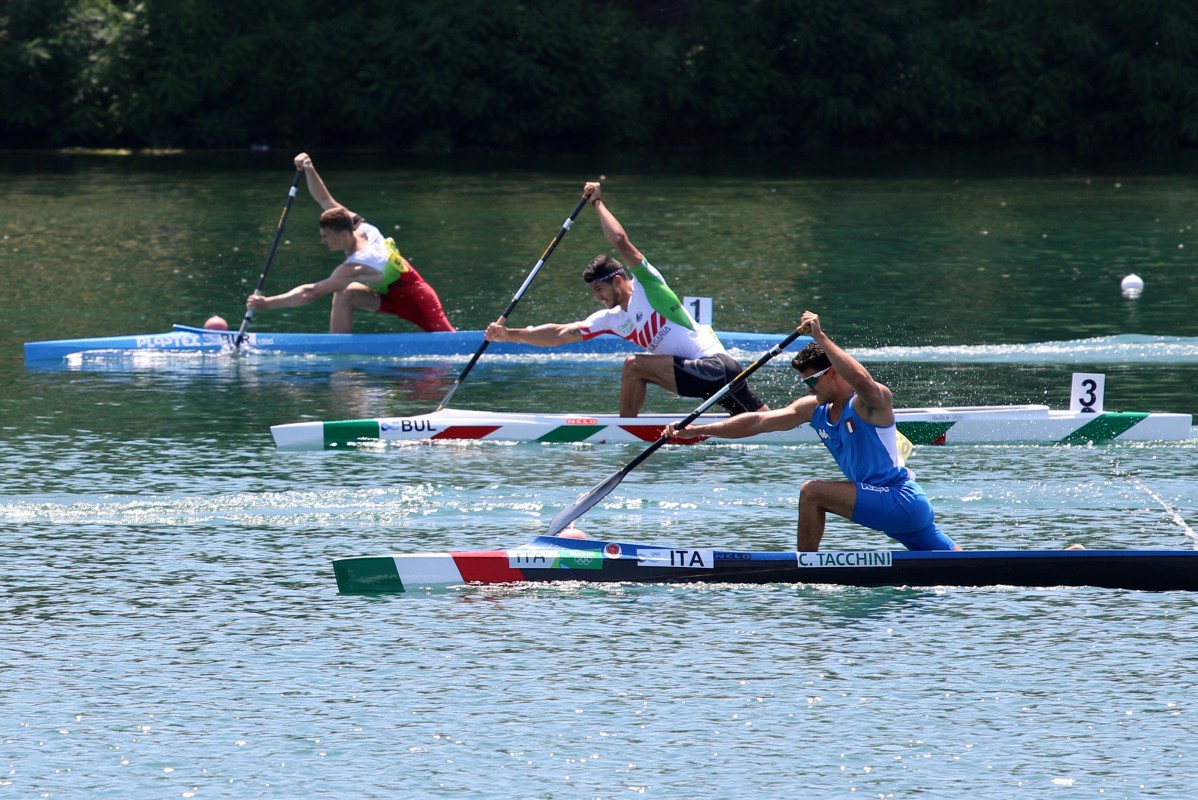
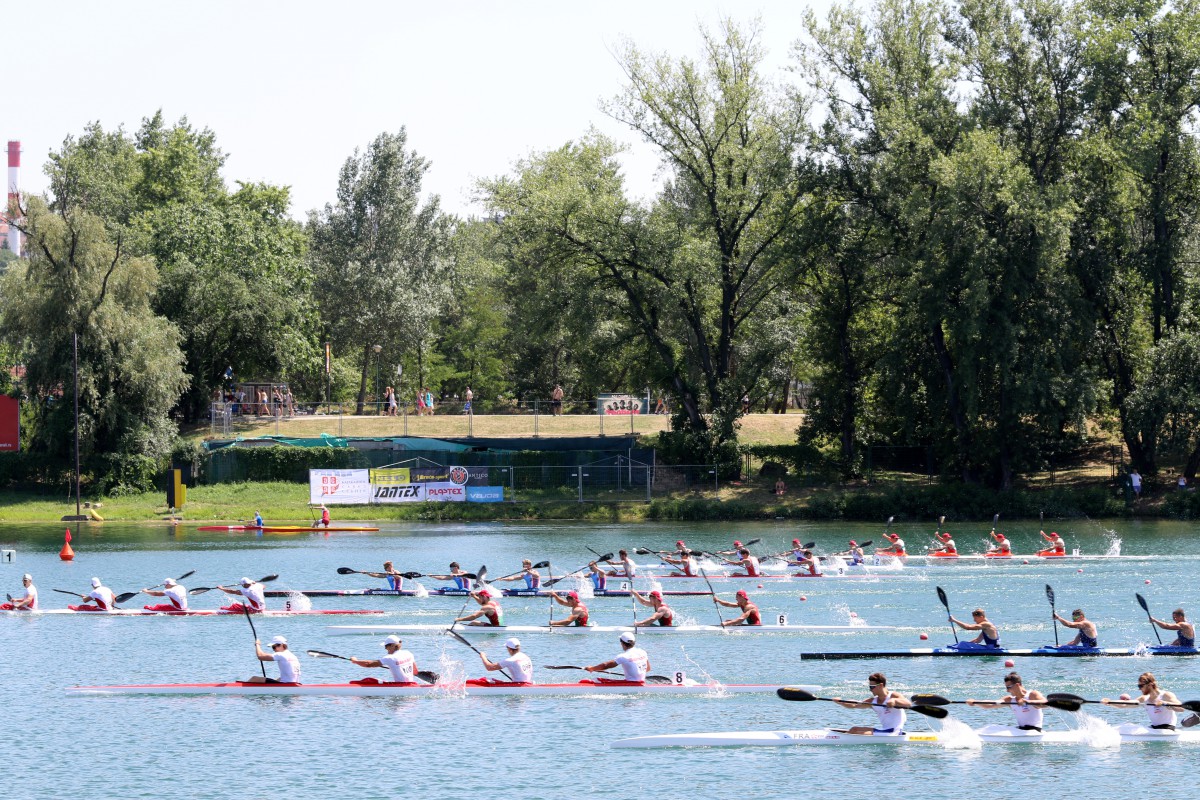
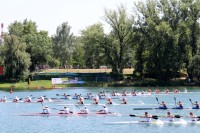
In Flatwater Racing sprint events, paddlers race on a straight course, each boat in a separate lane, over three different distances : 200 m, 500 m and 1000 m. In a kayak, the paddler is seated and uses a two-blade paddle, while in a canoe, the paddler is kneeling on one knee, and uses a single blade paddle. There are kayak events, for men and women, in single (K1), double (K2) and four boats (K4), and canoe events for men in single (C1), double (C2) and four boats (C4) and recently also for women.
This form of racing became an Olympic discipline in 1936 and its programme includes events over 200 m and 1000 m for men and 200 m and 500 m for women.
Except of sprint categories canoeists race also in long distances. At World Championships and European Championships these are 5000 m, only single boats are used. Long distances are also very popular for mass competitions, e.g. Sella Descent in Spain.

European paddlers once again played a leading role on the world stage as the 2026 Canoe Sprint and Paracanoe World Championships came to an end in Poznań, Poland.
Across the 36 World Championship events, European athletes – including Individual Neutral Athletes within the Paddle Europe continental representation – collected 71 medals: 26 gold, 20 silver and 25 bronze.
Read more



© 2021 ECA