We use cookies to improve our site and your experience. By continuing to browse our site you accept our cookie policy
We use cookies to improve our site and your experience. By continuing to browse our site you accept our cookie policy
Paracanoeing
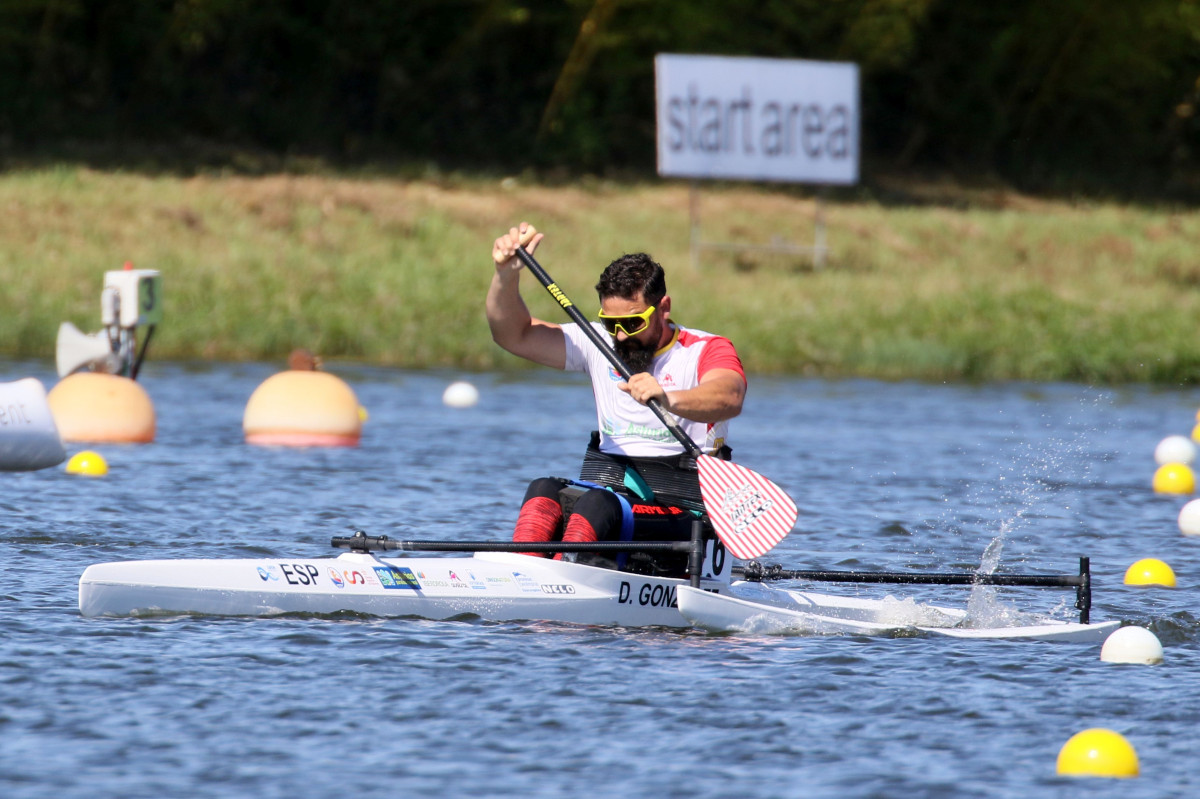
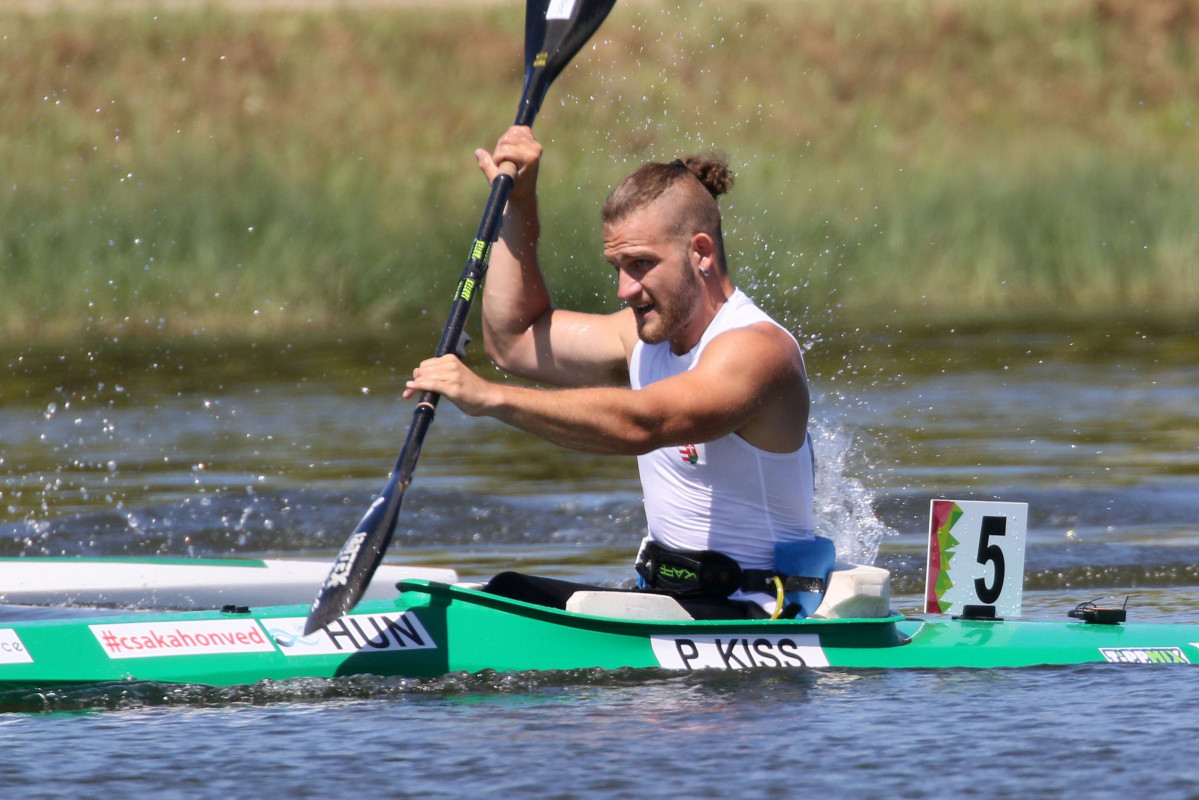
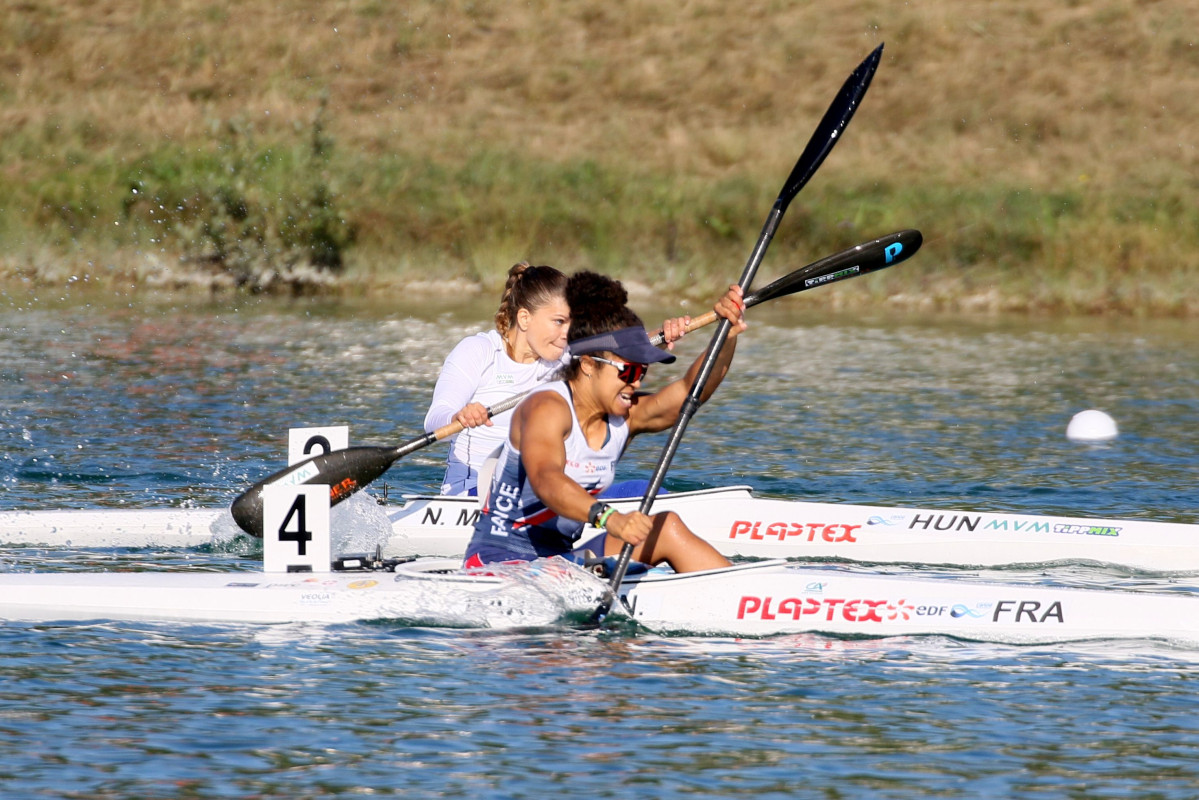
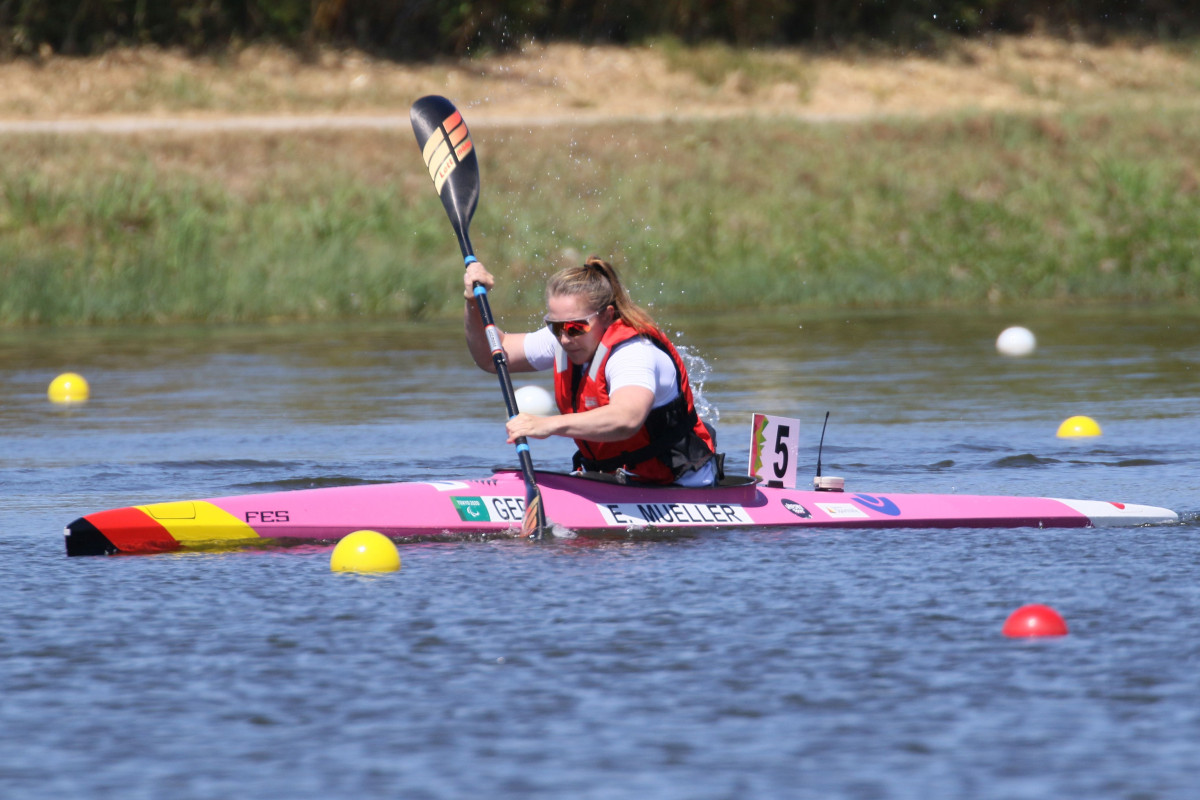
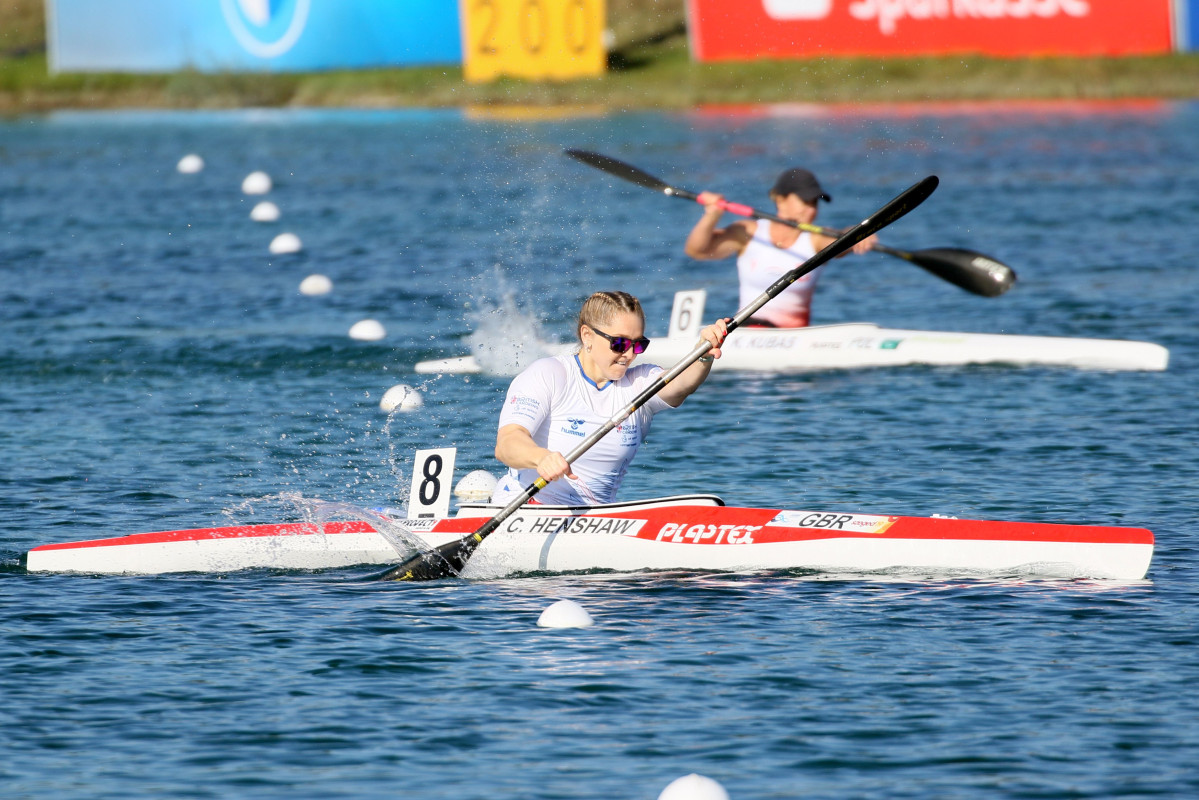
Paracanoeing is canoeing for athletes with a range of physical disabilities. The sport is governed by the International Canoe Federation (ICF). Paracanoeing debuted at the Summer Paralympics held in Rio de Janeiro in 2016 where single kayak races were contested.
Equipment
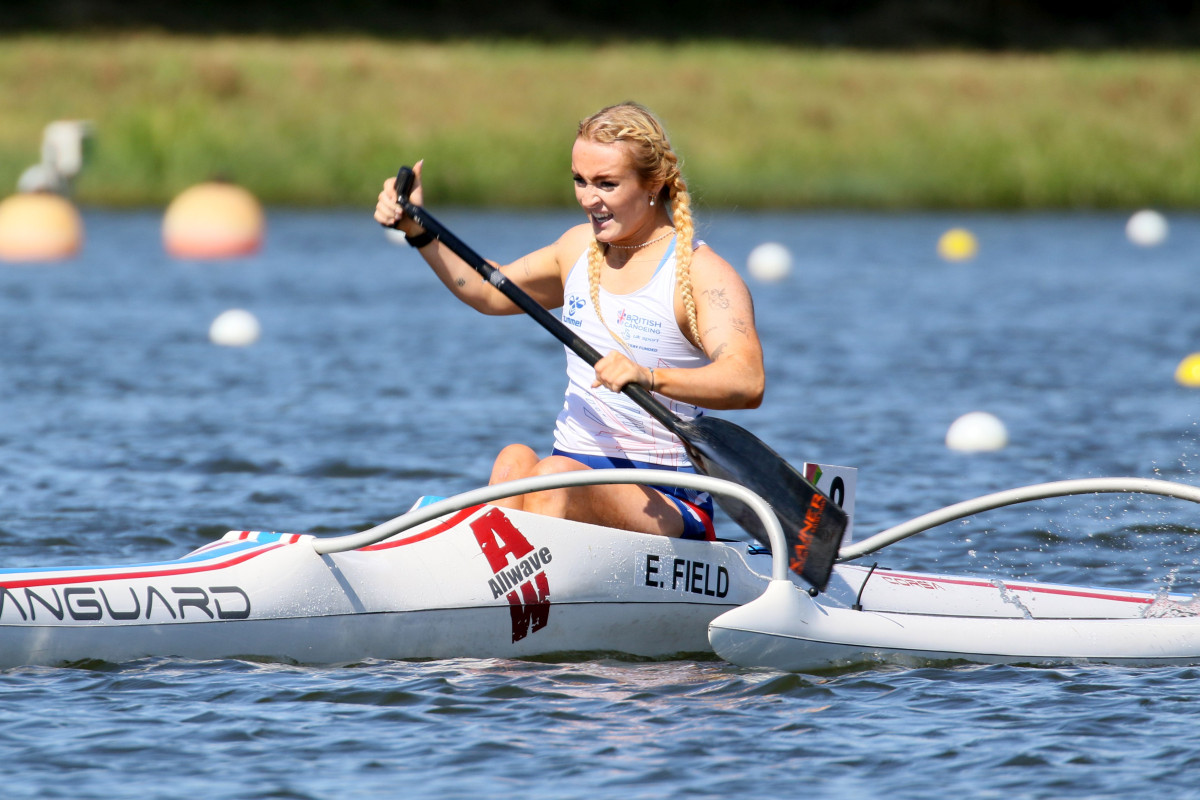
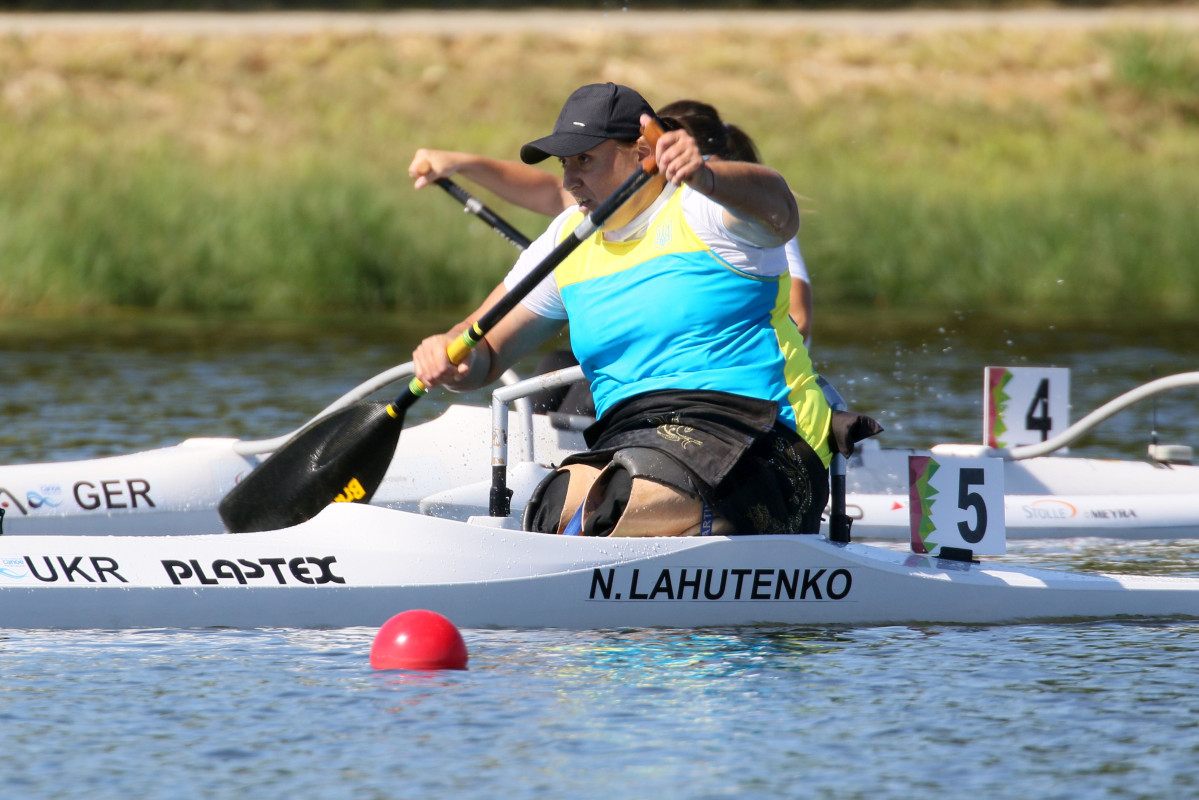
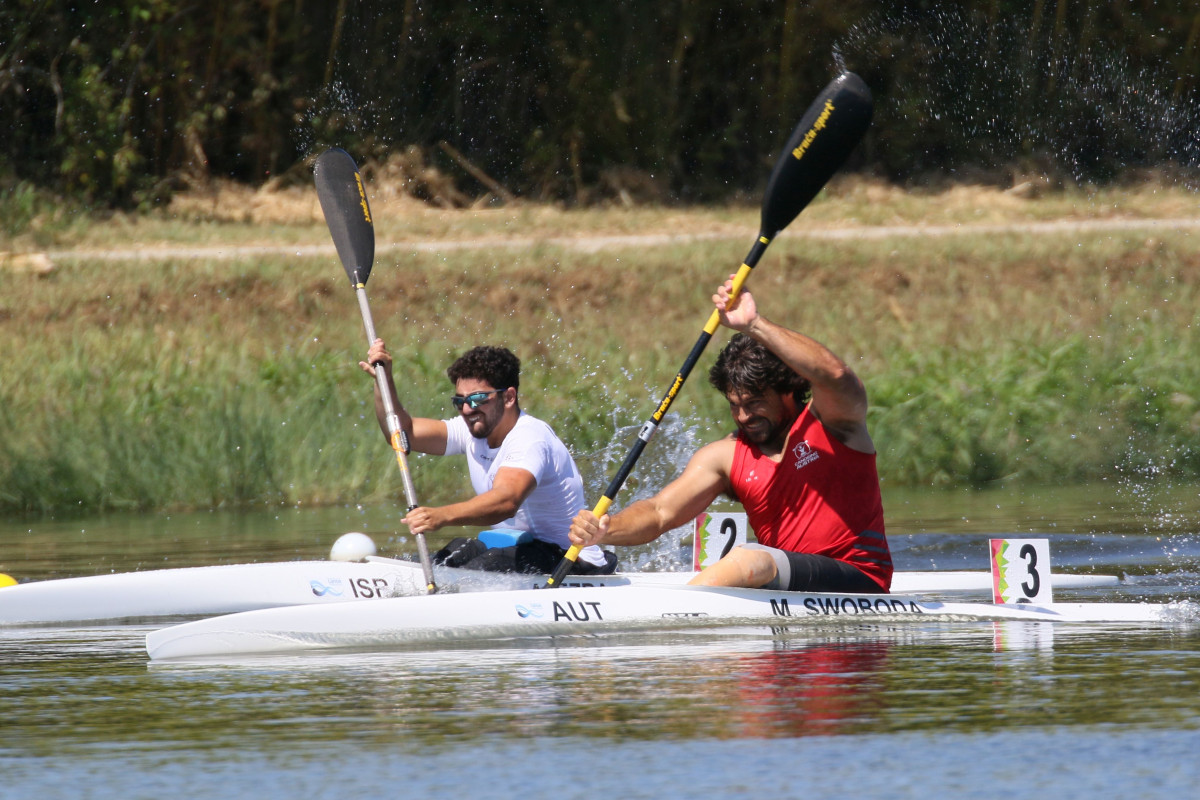
The two main types of paracanoe boat are kayaks (K), with a double-blade paddle, and outrigger canoes called va'as (V) where the paddler has a second hull as a support float and uses a single blade paddle with a T-top handle.
Competitor classification
Paralympic classification of mobility impairments has been restructured as of April 2015; in kayak competition (K1) there are three different classes for both men and women:
KL1 (formerly A; Arms): This grouping is for paddlers who have no trunk function (i.e. shoulder function only). A KL1 class paddler is able to apply force predominantly using the arms and/or shoulders.
KL2 (formerly TA; Trunk and Arms): Paddlers who have good use of the trunk and arms, but limited use of their legs. They are unable to apply continuous and controlled force to the footboard or seat to propel the boat.
KL3 (formerly LTA; Legs, Trunk and Arms): This class is for paddlers with a disability who have good use of their legs, trunk and arms for paddling, and who can apply force to the foot board or the seat to propel the boat.
Non-Paralympic competitions including va'a events use the same system of classification (VL1, VL2, VL3).
Competition format
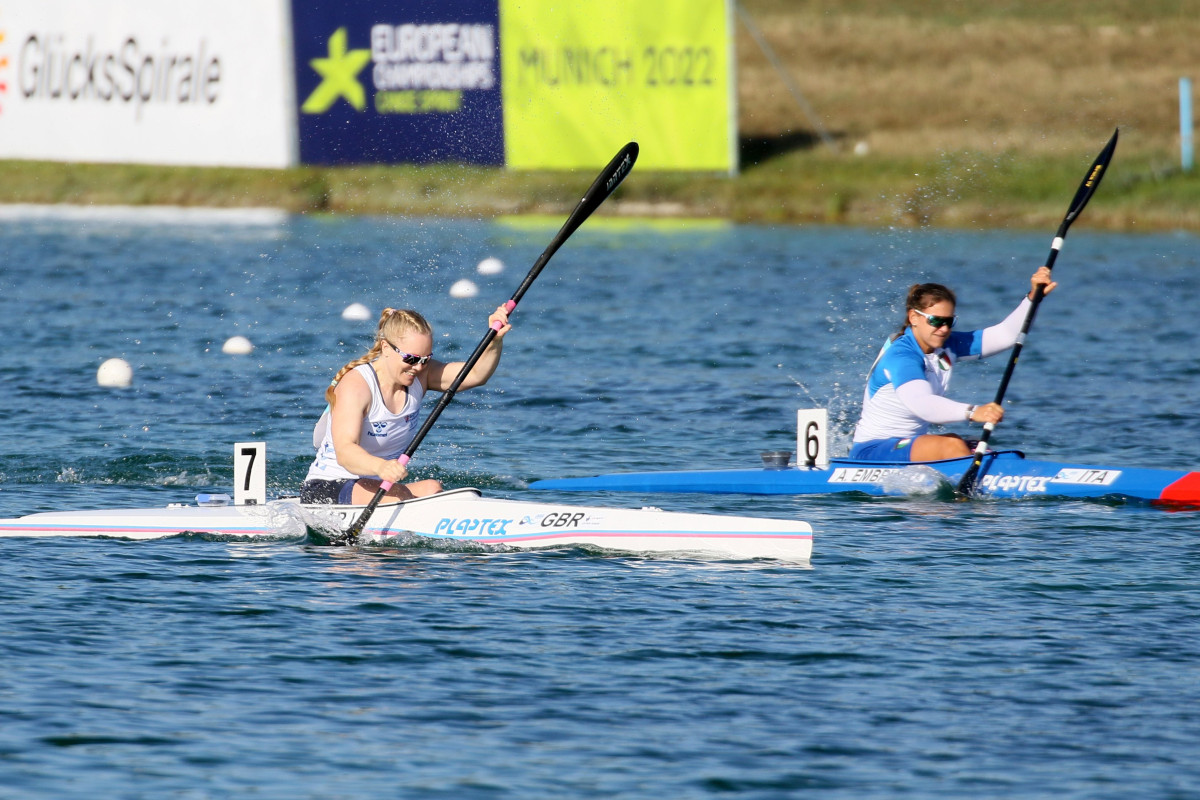
Paracanoeing is contested at World Championships, World Cups and continental championships; paddlers compete in kayaks (K1) and in va’a outrigger canoes (V1) both men and women.
All international paracanoeing competitions are 200 m sprints.





© 2021 ECA